Literature and Media Series Entry #6
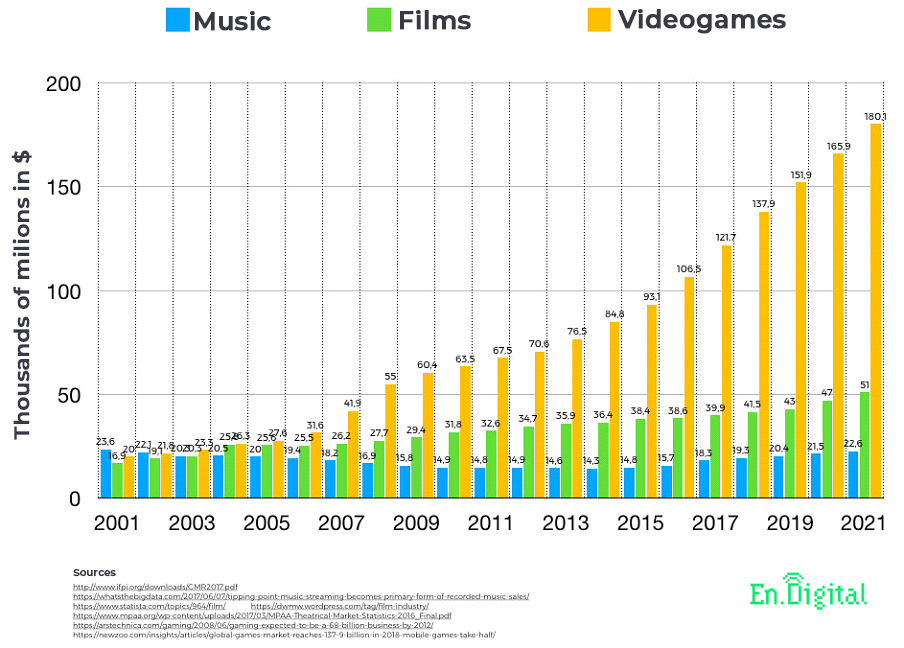
We were warned twenty years ago about the looming scenario we now find ourselves in: that people would withdraw from emotionally challenging ideology that conflicted with their own, creating ideaphobic ponds ocean-wide but puddle-deep, never invalidated. But because the amazingly pre-emptive warning came from an industry which, despite outselling film and music combined for years now, is not widely respected in academic discussion, it went largely unheeded. Fifteen years on and Jarett Kobek’s 2016 book, I Hate the Internet, questions whether we’ve made a mistake. Although technically a novel, it is made deliberately “bad” in an imitation of the internet’s “irrelevant and jagged presentation of content,” reading sometimes more like a collection of embittered aphorisms. Censorship is back to play – this time comically and overtly, though: the phrase “JIM’LL FIX IT” crops up repeatedly after swathes of black bars replace text on the page, in reference to how Jimmy Saville used threats of defamation lawsuits to keep accusations against him down, encouraging the reader to fill in the blanks caused by the book’s editor. Despair has set in as well as anger – of her child, the protagonist is "guilty of sticking him on a planet with less than a century left." Kobek laments how online anonymity and echo-chambering has re-invigorated misogyny and racism with an untraceable vengeance. His sentiment is not uncommon today. But alternative literature can only do so much (so little). Fashionable to hate it as it is, you are, after all, reading this on the internet.


Comments
Post a Comment